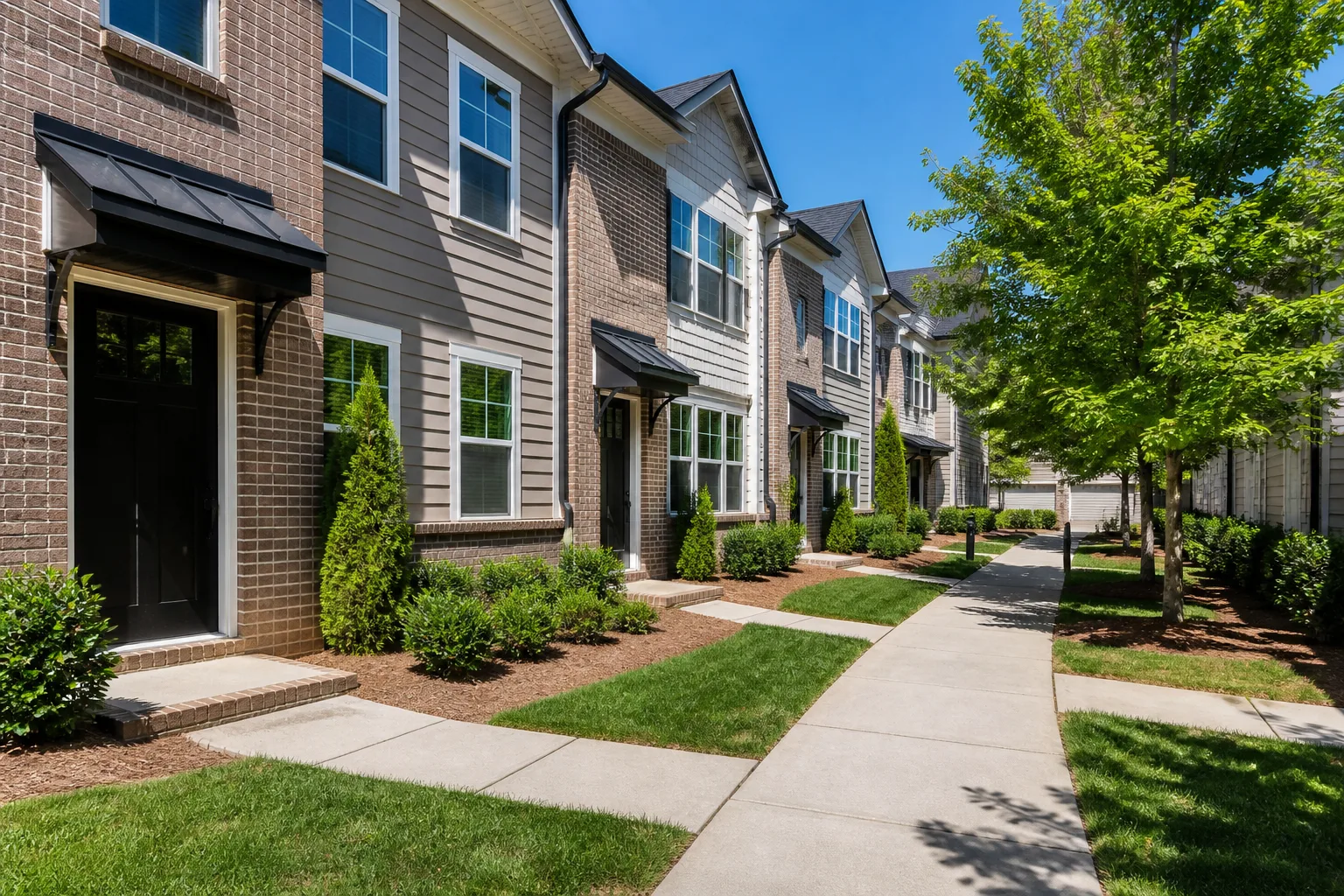
The 50-point concept is less about the number and more about discipline. Every home should pass the same categories before photography, self-tour access or tenant move-in. Photos, notes and repair decisions create an auditable starting condition.
Inspect life-safety items first, then major systems, water intrusion, doors and windows, fixtures, appliances, surfaces, exterior condition, cleanliness, keys and documentation. Repair or clearly document exceptions before marketing.
1. Safety and access
- Smoke and carbon-monoxide alarms are present, located appropriately and tested.
- Exterior doors, locks, windows and handrails operate as intended.
- Stairs, walking surfaces and exterior lighting are checked for visible hazards.
- Keys, remotes and access instructions are labeled and accounted for.
2. Water, plumbing and moisture
- Run fixtures and check visible supply and drain connections.
- Look for active leaks, staining, soft materials and persistent odors.
- Confirm toilets, disposals and water heaters operate without obvious issues.
- Record shutoff locations and any known maintenance history.
3. Electrical, HVAC and appliances
- Check accessible switches, receptacles, lights and GFCI devices.
- Operate heating and cooling in a manner appropriate for current conditions.
- Confirm supplied appliances complete basic operating checks.
- Photograph model and serial information when useful for future service.
4. Interior condition
- Document walls, ceilings, flooring, cabinets, counters and window coverings.
- Check doors, closets, shelving and hardware.
- Confirm the property is clean and free of abandoned belongings.
- Separate normal cosmetic wear from repair items that affect use or presentation.
5. Exterior and shared responsibilities
- Review visible roofline, gutters, drainage, siding and foundation areas from accessible locations.
- Document landscaping expectations and seasonal responsibilities.
- Record HOA or community items that affect residents or owner obligations.
- Confirm utility and vendor responsibilities before move-in communication.
From inspection to leasing launch
| Stage | Output | Why it matters |
|---|---|---|
| Inspect | Timestamped notes and photos | Creates a consistent starting record |
| Resolve | Repair, monitor or document | Prevents unclear handoffs |
| Present | Accurate photos and property information | Sets realistic applicant expectations |
| Launch | Showing and self-tour controls | Protects access and tracks activity |
| Move in | Condition acknowledgment and keys | Establishes a clean operational baseline |
A readiness review is not a substitute for a licensed home inspection, code inspection or specialist evaluation when one is needed. Its purpose is property-management consistency: identify visible concerns, coordinate appropriate follow-up and document the condition used for leasing operations.
Which preventable issue causes the most callbacks?
Share the small readiness item that saved—or would have saved—the most time after move-in.
Send your answer to Venkat